
Turkey Teeth: What Nobody Tells You About the Next 20 Years
A dramatic before-and-after, taken a few days after treatment, can look genuinely stunning. But a smile photographed at the airport tells you almost nothing about what those teeth will look like in five, ten or twenty years; and that's really the only question worth answering before you book anything.
What do people actually mean by “turkey teeth”?
The name isn’t really about the country. Excellent dentistry and poor dentistry happens everywhere, including here in the UK; and Turkey has plenty of highly qualified dental professionals. What people usually mean by “turkey teeth” is something more specific: extensive cosmetic treatment carried out on several teeth at once, sometimes teeth that were healthy or only lightly restored to begin with, often when a less invasive option was available.
Veneers or crowns? The difference matters more than you’d think
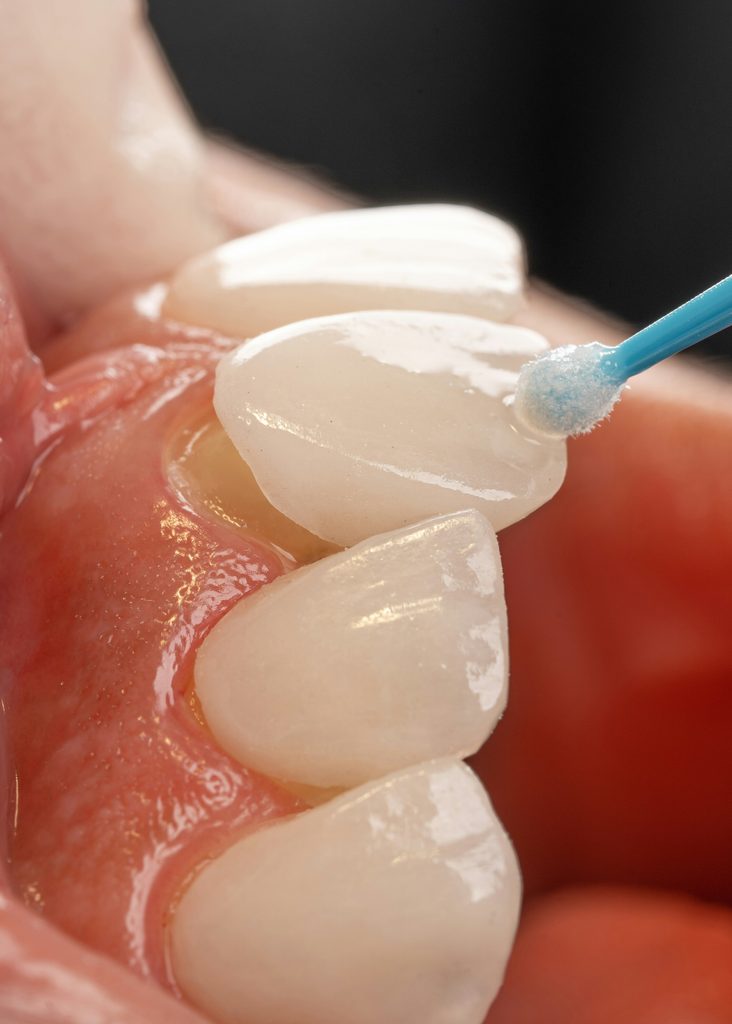
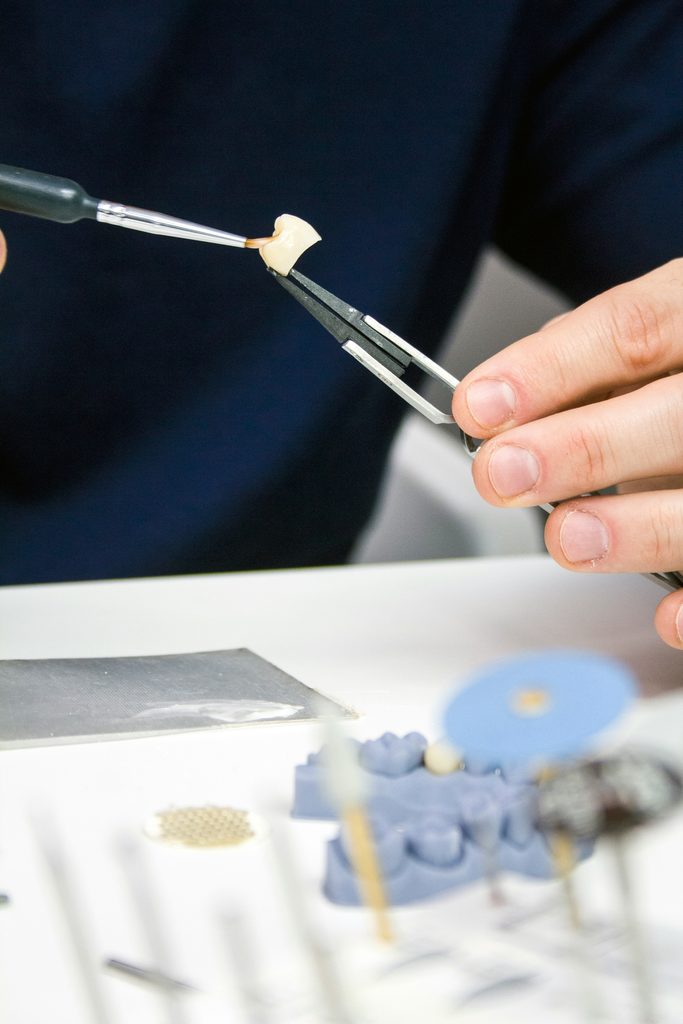
Patients often go abroad expecting veneers and come home with something closer to full-coverage crowns. The two aren’t the same procedure. A genuinely conservative veneer can, in a suitable case, need very little of the natural tooth removed. Preparing a healthy tooth for a full crown is a different matter altogether: it usually means removing a lot more tooth structure, and that loss is permanent.
That’s worth sitting with for a moment. Once healthy enamel and dentine are gone, they can’t be put back. A crown fitted at 25 doesn’t just need to look good at 25, it needs to still be doing its job at 45, 65 and beyond.
Why problems don’t always show up straight away
Some issues appear quickly: sensitivity, an uneven bite, gum inflammation, restorations that don’t quite fit. Others take years to surface, things like pulp problems, gum recession, decay developing underneath a crown, or eventually the loss of the tooth altogether. The fact that everything looks fine in the holiday photos doesn’t tell you whether the underlying treatment was biologically sound.
What happens if something goes wrong after you’re home?
This part is easy to overlook while you’re planning a trip. The regulatory and complaints process abroad is different from the UK, and the General Dental Council advises anyone considering treatment overseas to find out in advance who regulates the dentist, what aftercare and guarantees are included, and who covers the cost of flights, accommodation and remedial treatment if something needs fixing.
A guarantee is only useful if you can realistically use it. And if a UK dentist ends up treating a complication later, they’re providing new care, not continuing a plan they were never part of.
Five questions worth asking before you book
Before committing to extensive cosmetic dental treatment abroad, it’s worth asking the following questions:
- how much of your natural tooth will actually be removed?
- Are you being offered veneers or full crowns?
- Have less invasive options, like orthodontics, whitening or composite bonding, genuinely been considered?
- Who looks after the work once you’re home?
- And what’s the plan for these teeth in twenty or thirty years, not just the next twenty days?
Our approach
At Edinburgh Gums & Teeth, we look at the whole picture before recommending anything: not the minimum treatment, not the maximum, the treatment that actually makes sense for you and holds up over the long term.
If you’re weighing up options for a smile makeover, whether that’s abroad or closer to home, we’re happy to talk you through what’s realistic, what’s reversible and what isn’t.